
A foreclosure notice in Pennsylvania for a mobile home is a written warning from a lender or park owner stating that you are behind on payments and risk losing your home. In most cases, you must be given at least 30 days to catch up on missed payments before repossession can begin, giving you a short window to act.
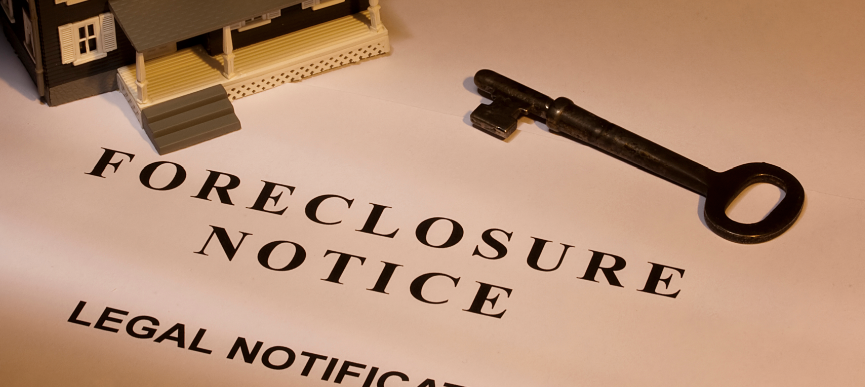
What Is a Foreclosure Notice for a Mobile Home?
A foreclosure notice (also called a notice of default) is a legal document sent by a lender or mobile home park when you fall behind on payments or violate lease terms repeatedly. It officially states that you are in default and that foreclosure or repossession may begin if the issue is not resolved.
A foreclosure notice (sometimes called a notice of default) is the first official step before you lose your mobile home. In Pennsylvania, mobile homes are often treated as personal property, which means the process is closer to repossession than traditional real estate foreclosure.
It means one of the following has happened:
- You missed loan payments (bank or lender)
- You missed lot rent payments (mobile home park)
- You violated lease terms repeatedly
Once the notice of default is filed, the borrower typically has a certain amount of time (known as a “grace period”) to bring their mortgage payments current and avoid foreclosure. If the borrower is unable to bring the payments up-to-date, the lender may proceed with foreclosure and eventually take possession of the property.
If you’ve gotten a foreclosure notice of default and want to know what is going on, keep reading.
Essentially, when a lender initiates a foreclosure, they are required to file a document called a “foreclosure notice of default.” This notice must be provided to anyone with a stake in the property, including other lenders, contractors, or individuals owed money for property-related work.
Additionally, the foreclosure notice of default must be publicly posted in a newspaper and on the property in a noticeable location. While this may be distressing for those experiencing foreclosure, it serves as a crucial safeguard for consumers.
Why Mobile Home Owners Lose Their Homes Faster
Mobile homes are more vulnerable than traditional houses because:
- They can be repossessed quickly
- They depreciate faster
- Legal protections are more limited than real estate
Unlike houses, you may not have months or years, sometimes just weeks.
How Foreclosure Works for Mobile Homes in Pennsylvania
The process depends on whether you own the home with financing or rent land in a park.
1. Missed Payments
Once you fall behind, the lender or park owner can begin the process.
2. Foreclosure / Repossession Notice
You receive a written notice stating:
- Amount owed
- Deadline to pay
- Risk of losing your home
For financed mobile homes in PA:
- You must receive at least 30 days’ notice before repossession
For lot rent (mobile home parks):
- You typically get 20–30 days to pay overdue rent before eviction starts
3. Legal Action or Repossession
If you don’t act:
- The lender may repossess the home
- The park may file eviction in court
4. Loss of Home
At this stage, you may:
- Lose ownership
- Still owe remaining debt
Back before US law required a notice of default, people were sometimes foreclosed on without any warning.
In recent years, there have been incidents where a bank mistakenly foreclosed on the wrong property and evicted residents without proper warning or legal proceedings. Such incidents have even occurred in Philadelphia.
Hence, the notice of default is a critical stage in the foreclosure process that provides an opportunity for individuals with a stake in the property to assert their rights before it’s too late.
If you have received a notice of default, it’s essential to act quickly as time is of the essence. Don’t delay in taking appropriate measures.
What to do if you get a Foreclosure notice of default?
Receiving a foreclosure notice of default can be a distressing and overwhelming experience. However, it’s essential to take prompt action to protect your rights and interests. Here are some steps to consider if you receive a foreclosure notice of default:
- Review the notice: Read the notice carefully to understand the reason for the default, the amount owed, and the deadline to cure the default. Make sure all the information is accurate and reflects your situation.
- Contact your lender: Talk to your lender to see if there are any options to avoid foreclosure, such as a loan modification or repayment plan. Explain your situation and be prepared to provide financial information to support your case.
- Seek legal advice: Consider consulting a foreclosure attorney who can advise you on your legal rights and options. They can help you understand the foreclosure process and assist you in negotiating with your lender or representing you in court.
- Explore foreclosure prevention programs: Check if there are any government-sponsored programs, such as the Home Affordable Modification Program (HAMP), that can help you avoid foreclosure. These programs can provide financial assistance or counseling to help you stay in your home.
- Take action: Don’t wait until the last minute to take action. The sooner you address the issue, the better chance you have of avoiding foreclosure. Even if you’re unable to prevent foreclosure, taking action can help minimize the impact on your credit score and financial future.
Remember that a foreclosure notice of default is not the end of the road. There are still options available to you, and taking prompt action is key to protecting your rights and interests.
Call us anytime (570) 775-5777 or connect with us on our website
and we’ll lay out all of your options for your specific situation.
Sell Your Mobile or Manufactured Home On Your Terms
Most Important: You Still Have Options
Once you receive a foreclosure notice, you have 3 realistic paths:
Option 1: Catch Up on Payments
- Pay overdue balance
- Stop the foreclosure
Works only if you have immediate cash
Option 2: Negotiate with Lender or Park
- Payment plan
- Temporary relief
Risk: delays often still lead to foreclosure
Option 3 (Fastest): Sell Your Mobile Home for Cash
This is the most practical option for many homeowners in Pennsylvania.
Why?
- Stop foreclosure immediately
- Avoid eviction on your record
- Walk away with cash (instead of debt)
- No repairs needed
Especially critical if:
- You’re already behind 1–2+ months
- You received a formal notice
- You cannot catch up quickly
Sell Before Foreclosure, Not After
Once foreclosure is complete:
- Your home may be taken for less than market value
- You may still owe money
- Your credit is heavily damaged
Selling early gives you control and leverage
How Fast You Should Act
After receiving a foreclosure notice:
- First 7 days: Best window to sell easily
- Within 30 days: Still possible to avoid loss
- After that: Options shrink fast
Why Selling to a Mobile Home Buyer Works
A direct buyer (like us) can:
- Close in days, not months
- Handle paperwork
- Work with lenders or park managers
- Buy homes in any condition
This is why many Pennsylvania homeowners choose this route.
Sell Your Mobile or Manufactured Home On Your Terms
FAQ
What is a foreclosure notice in Pennsylvania?
A foreclosure notice is a written warning that you are behind on payments and risk losing your mobile home if you do not catch up within a specific timeframe.
How long do I have after a foreclosure notice?
Typically 30 days for financed mobile homes and 20–30 days for lot rent issues, depending on the situation.
Can I stop foreclosure on my mobile home?
Yes. You can:
- Pay the balance
- Negotiate terms
- Sell the home before repossession
Can a mobile home be foreclosed without notice?
No. In Pennsylvania, lenders must provide written notice and a chance to cure the default before repossession.
What happens if my mobile home is repossessed?
The lender can take and sell the home, and you may still owe any remaining balance after the sale.
Is selling before foreclosure a good idea?
Yes. It’s often the best way to:
- Protect your credit
- Avoid eviction
- Walk away with cash